

How to Choose a Wedding Venue on Long Island
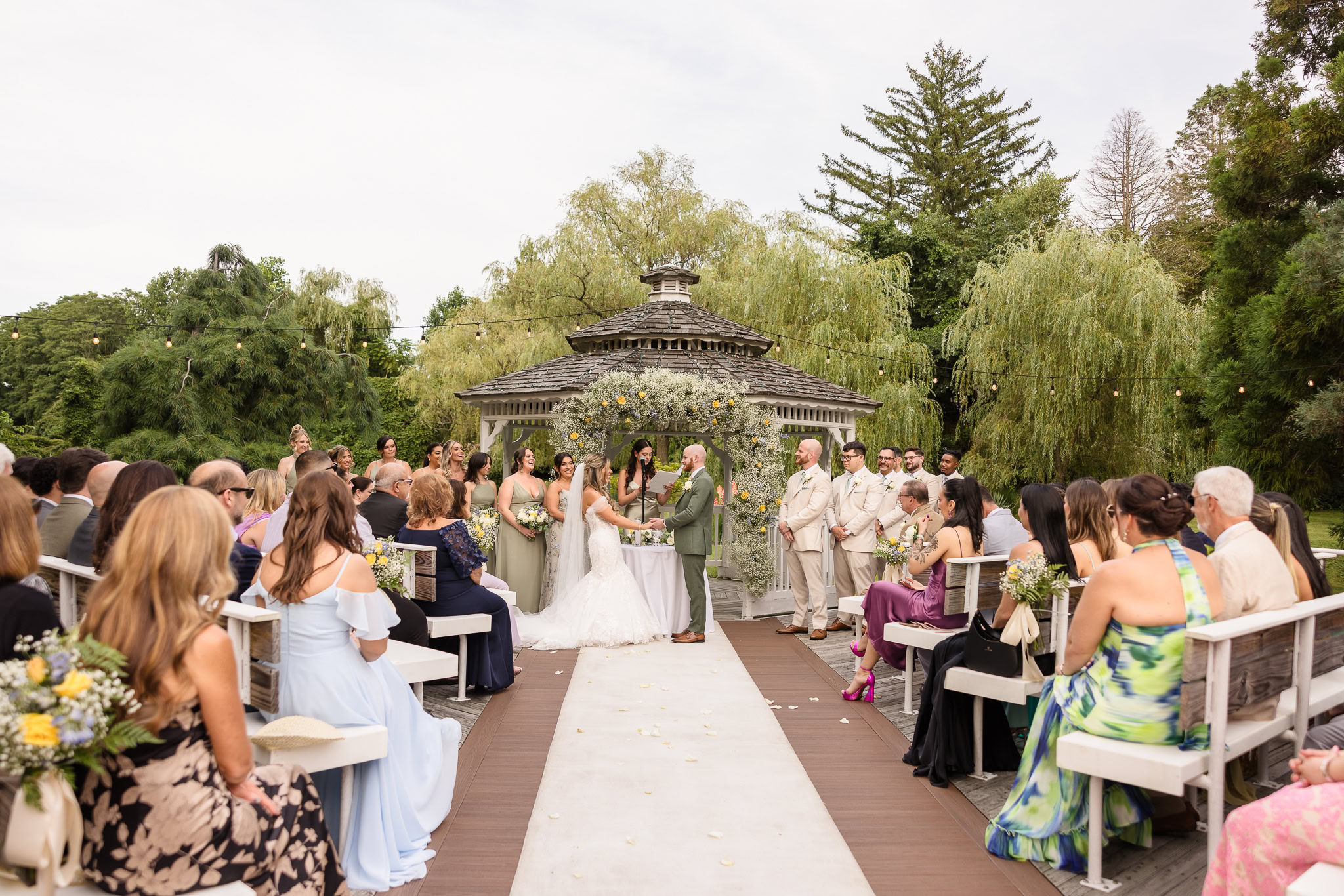
Choosing a wedding venue on Long Island is one of the first and most consequential decisions in the entire planning process. It sets the tone for everything that follows, from the style of the day to the vendors you can work with to how your guests experience the celebration.
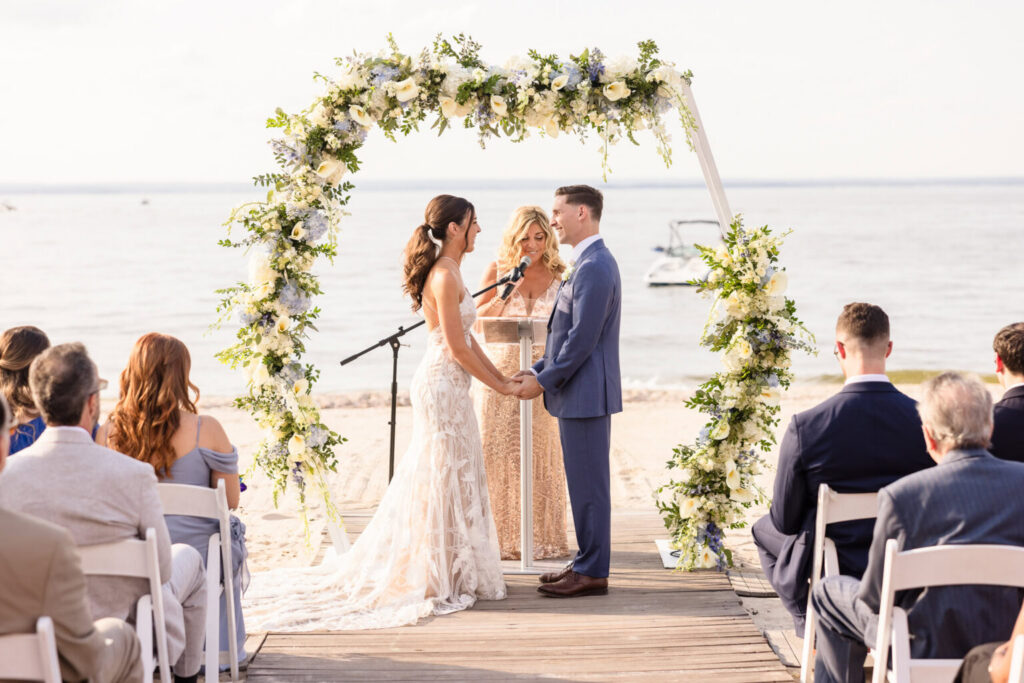
However, most couples approach the venue search the same way. They browse photos online, create a shortlist based on aesthetics, schedule tours, and then try to compare venues that felt very different in person. The process feels overwhelming because the framework for making the decision is rarely explained.
This guide walks through how to approach the venue search in a more intentional way, so you choose a venue that supports the full experience of your wedding day, not just one that photographs well.
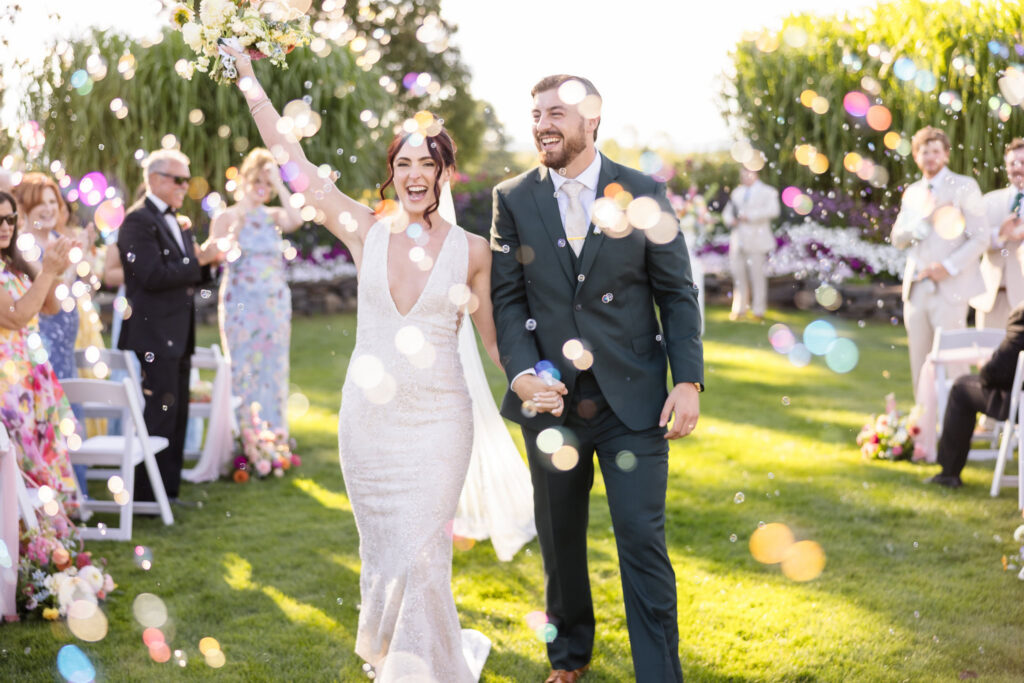
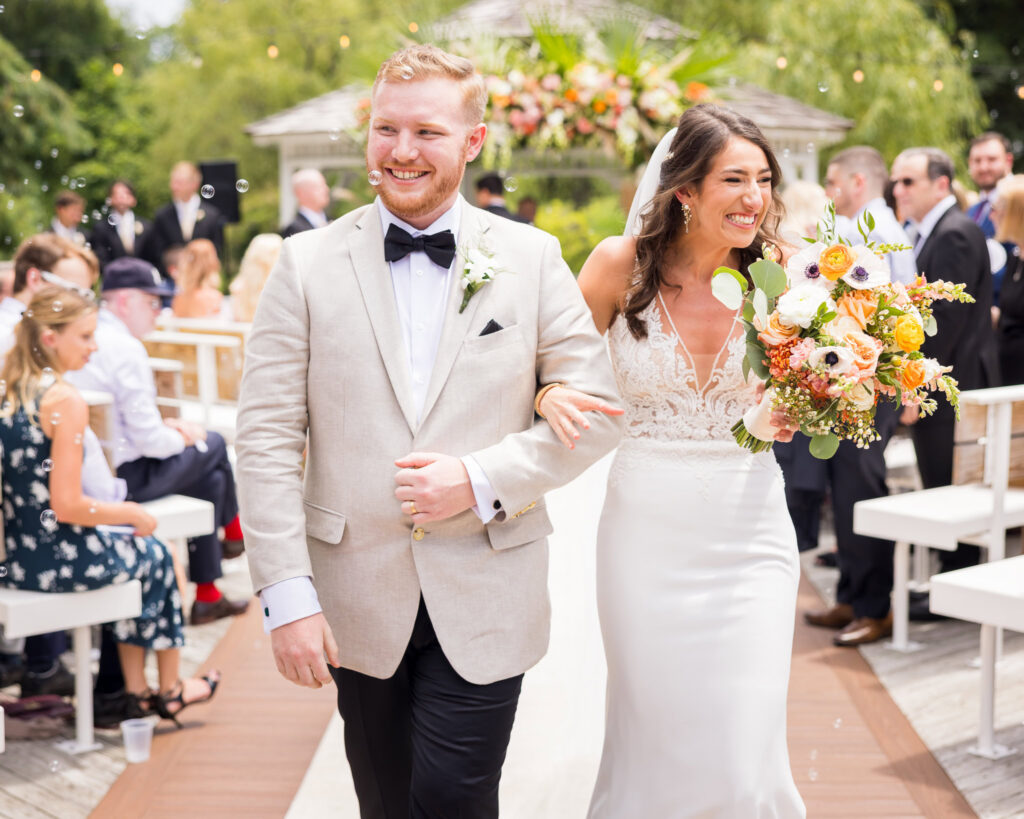
Start With the Experience You Want, Not the Aesthetic
The most common mistake couples make when choosing a Long Island wedding venue is starting with how it looks rather than how it feels.
Aesthetics matter. However, a venue that looks stunning in photos can feel cold, chaotic, or poorly suited to your guest count and flow once you experience it in person. Conversely, a venue with a more understated visual style can feel warm, seamless, and perfectly suited to a refined celebration.
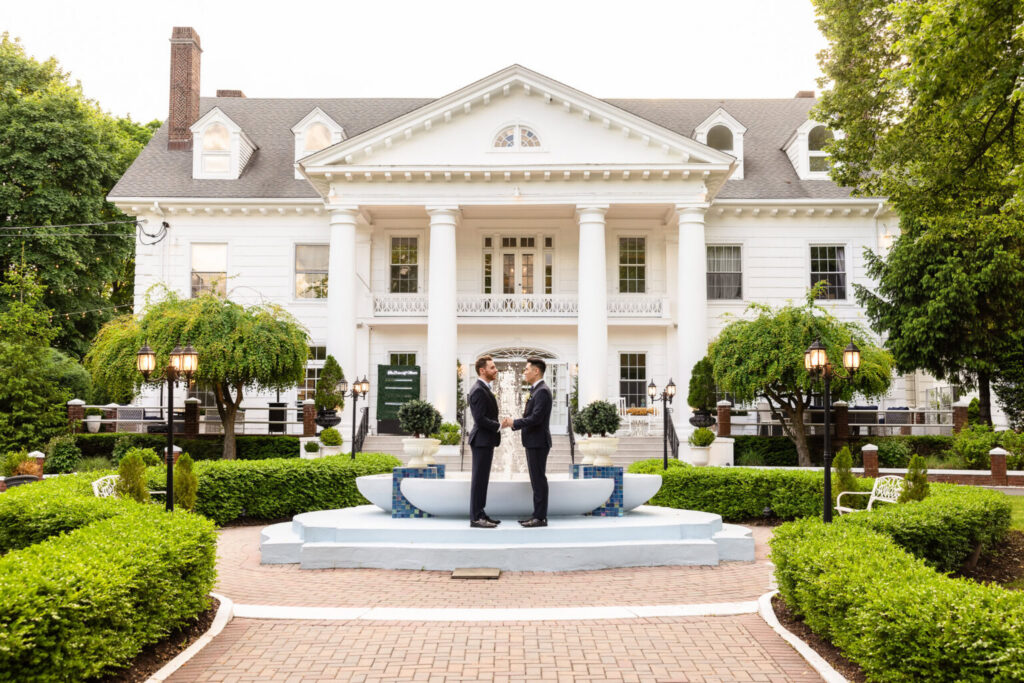
Before you tour a single venue, spend time talking with your partner about the experience you want your guests to have. Do you want the day to feel intimate and relaxed, or grand and celebratory? Should your guests move between multiple spaces throughout the evening, or gathered in one room from start to finish? Do you want a waterfront setting, a garden, a historic estate, or a contemporary ballroom?
The answers to these questions narrow the field significantly before you ever schedule a tour.
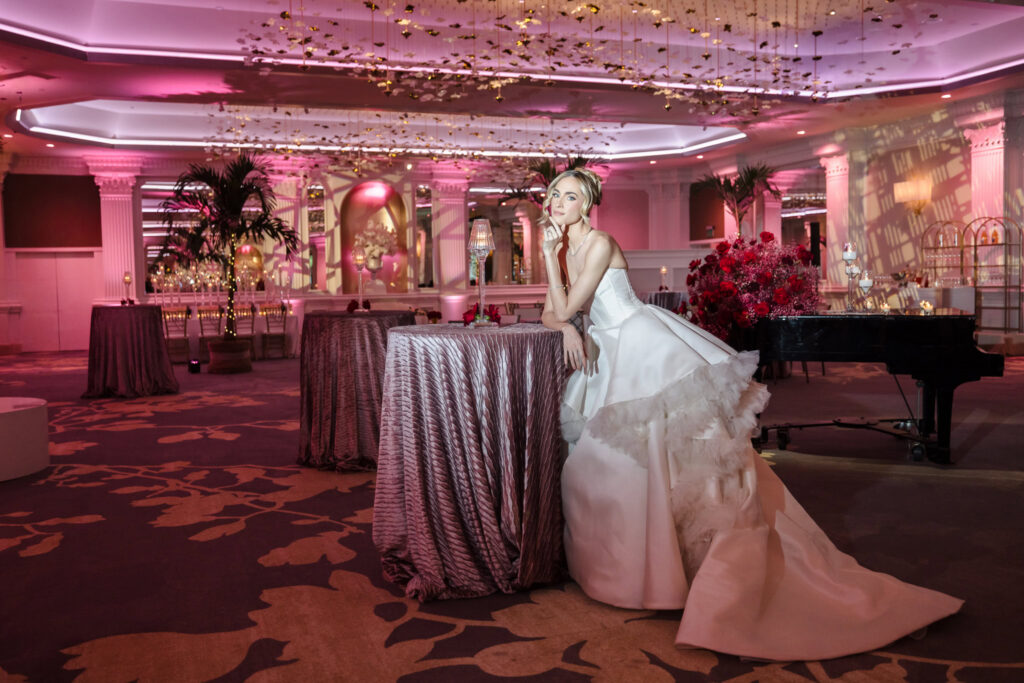
Understand Long Island’s Geography
Long Island is larger and more geographically diverse than many couples realize. The part of the island you choose affects everything from guest travel logistics to the overall character of the day.
The North Shore tends toward historic estates, country clubs, and venues with lush, wooded grounds. The South Shore offers more waterfront options, including venues along the Great South Bay and Atlantic Ocean. The East End, including the Hamptons and North Fork wine country, offers a more relaxed, destination-style feel with vineyards, boutique hotels, and intimate properties. Nassau County venues tend to be more accessible from New York City. It offers a strong mix of ballroom and estate style options.
Choosing the right part of Long Island is one of the most useful early wedding decisions you can make. It is equally important to choose a location that makes logistical sense for your guests.
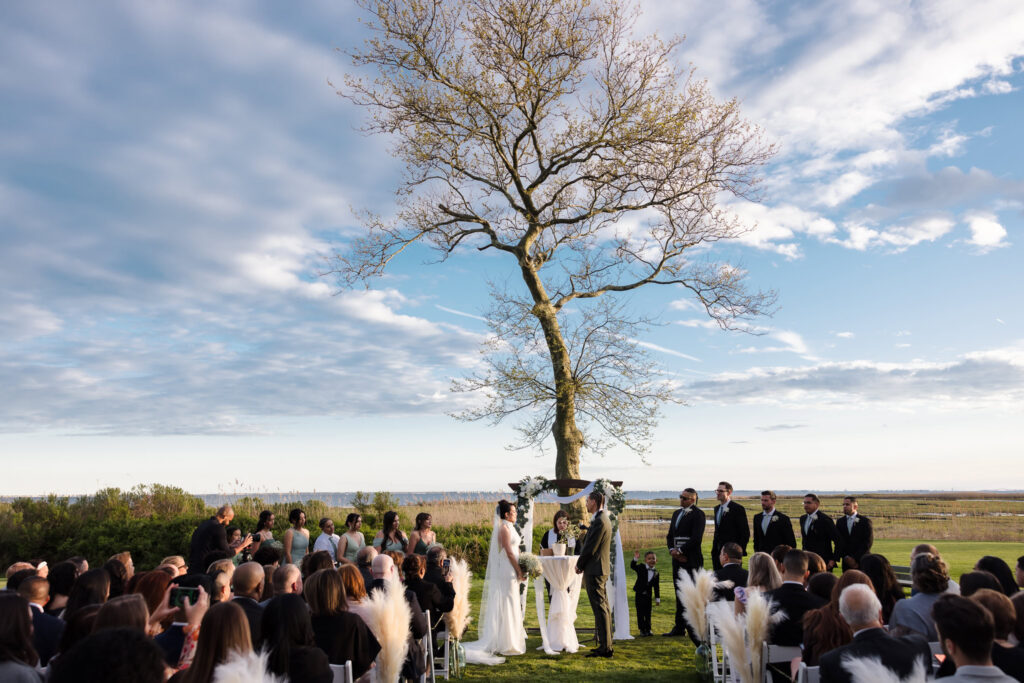
Consider the Full Timeline, Not Just the Ceremony Space
One of the most overlooked aspects of choosing a Long Island wedding venue is how the space supports the full timeline of the day, not just the ceremony or reception.
In my experience photographing weddings across Long Island, the venues that produce the most seamless days are the ones where getting ready spaces, cocktail hour flow, portrait locations, and reception room all work together logistically. When couples travel too much between locations, the day develops friction that is difficult to recover from.
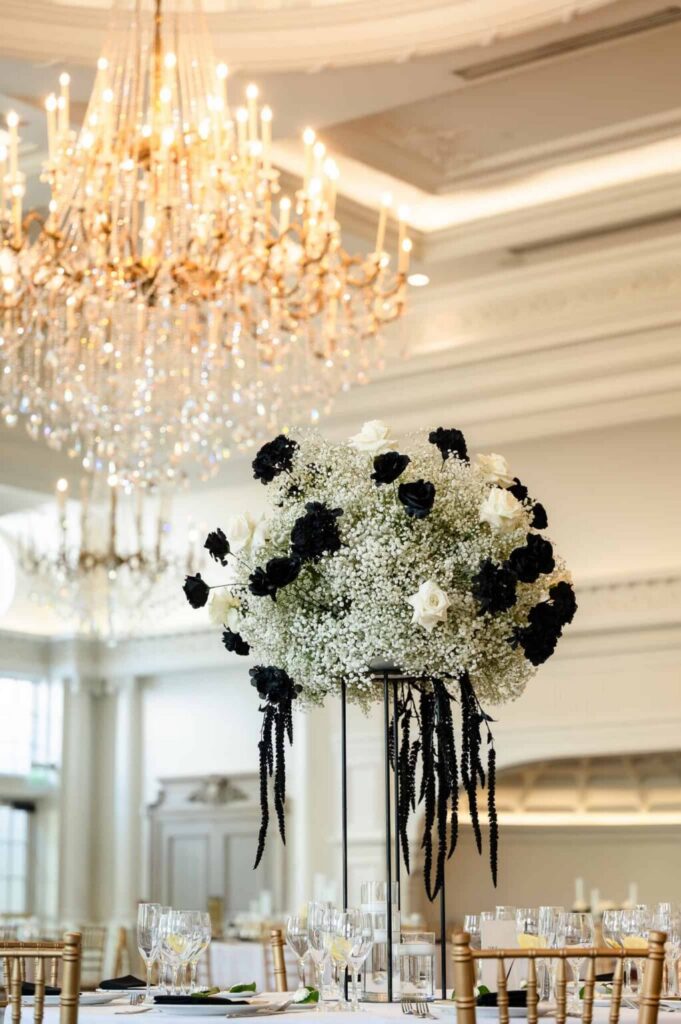
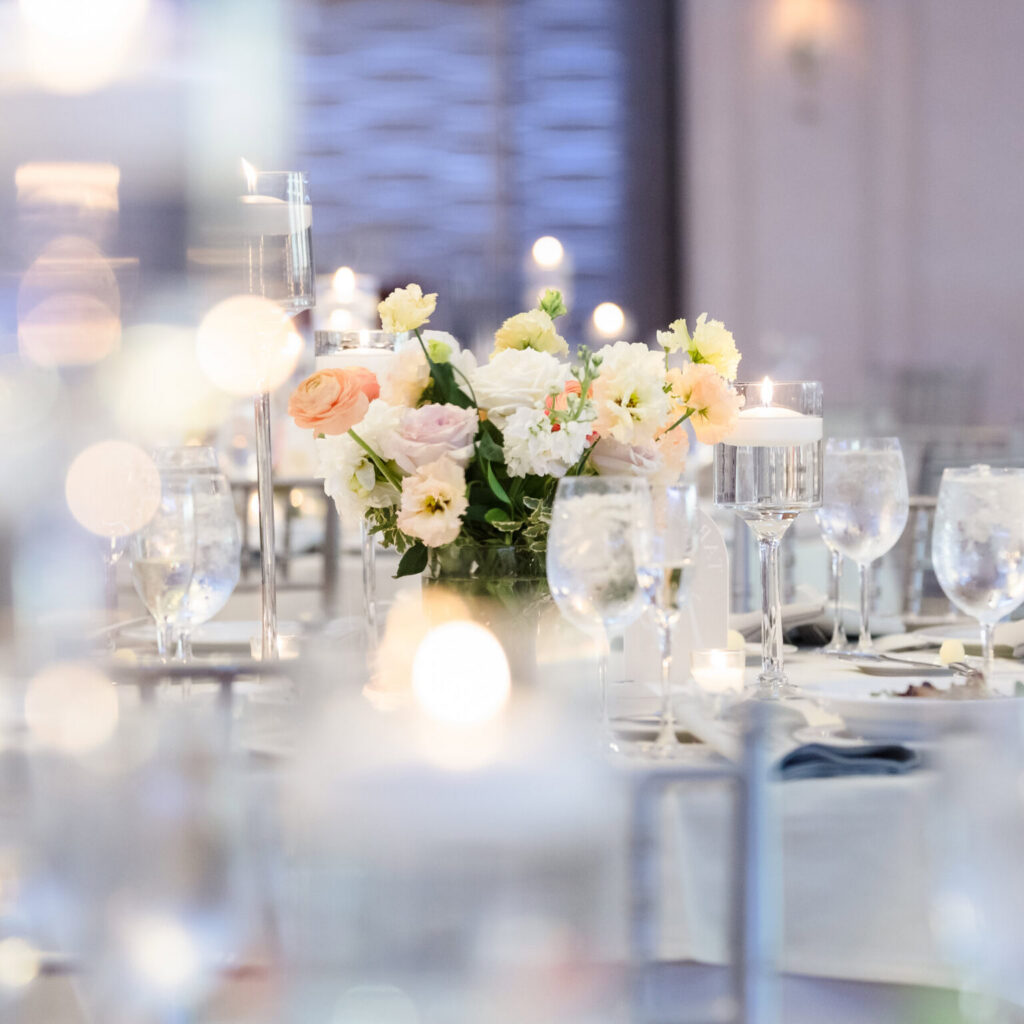
Before committing to a venue, walk through the full sequence of the day in your mind. Where does the bridal party get ready? Is there a dedicated, well-lit getting ready suite? Where does cocktail hour happen, and how do guests transition to the reception? Are there outdoor portrait locations on the property, or does the couple need to leave the venue for portraits? How does the lighting in the reception room change from cocktail hour through the end of the night?
These questions matter not just for photography, but for how the day actually feels to everyone in it.
The best venues are not always the ones that photograph best online. They still feel calm and effortless when the timeline inevitably shifts on a real wedding day.
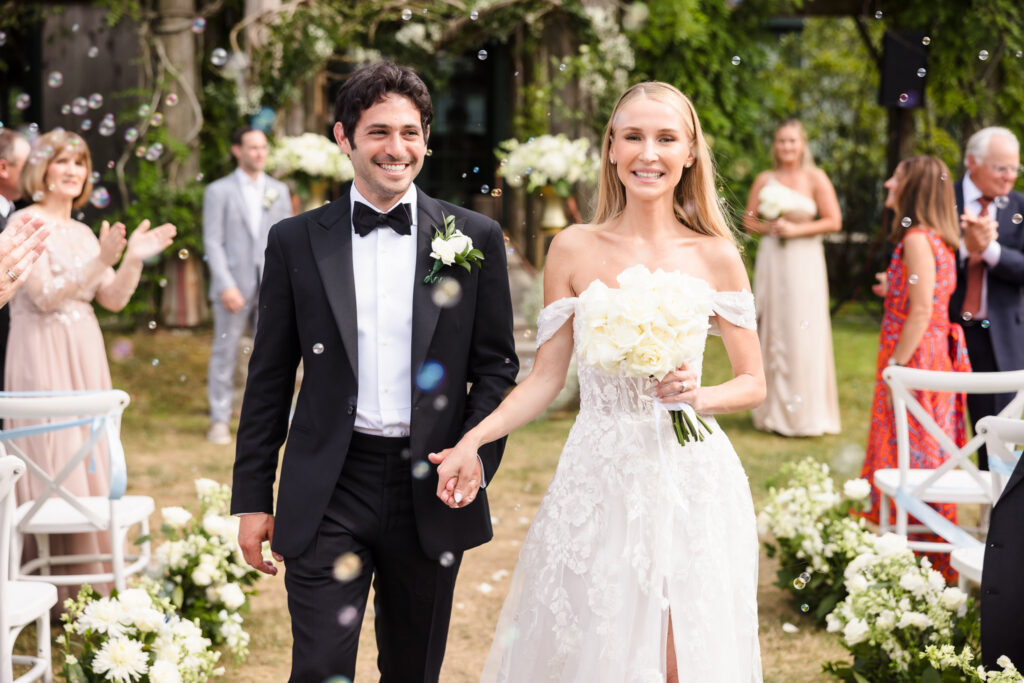
Lighting Is More Important Than Most Couples Realize
Lighting shapes how a wedding day feels and how it is documented. Yet it is rarely discussed during venue tours.
Natural light during getting ready and portrait sessions shapes the quality of the images more than almost any other factor.A getting ready suite with large windows creates a completely different experience than one with harsh overhead lighting. Venues with natural light also feel more effortless throughout the day.
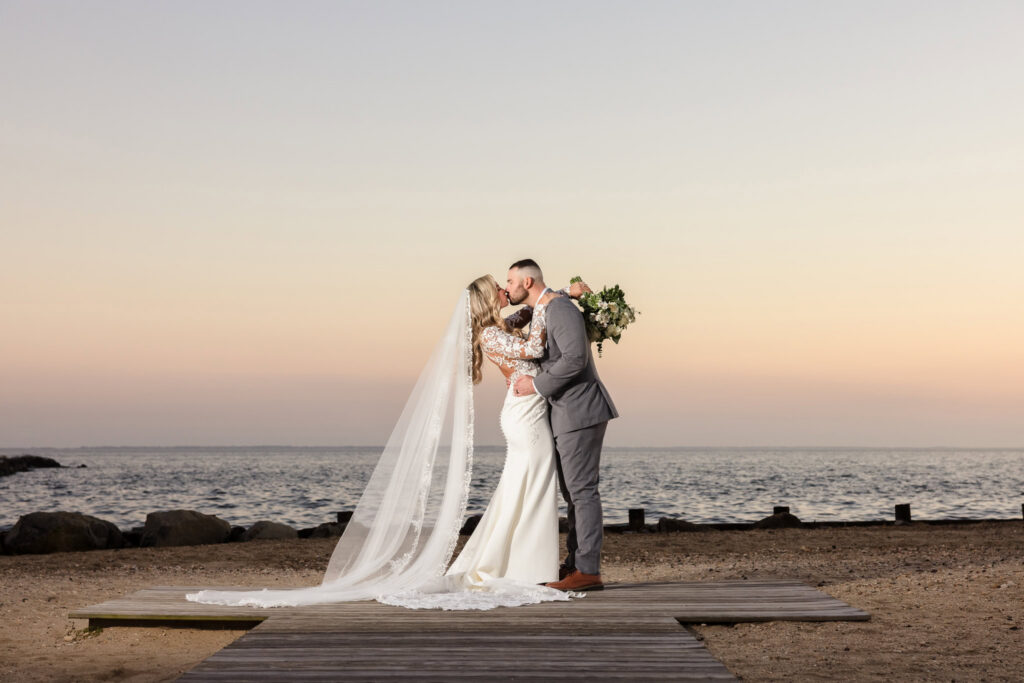
For the reception, pay attention to how the room is lit during the day versus at night. Many Long Island ballrooms rely heavily on uplighting and chandeliers once the sun goes down, which can be beautiful when well designed but unflattering when not. Ask the venue coordinator how the lighting changes from cocktail hour to the reception. Also ask whether the space allows flexibility with your photographer and lighting designer.
Most couples do not think to ask this during a venue tour. Experienced vendors ask it every time.
Guest Count and Flow Both Matter
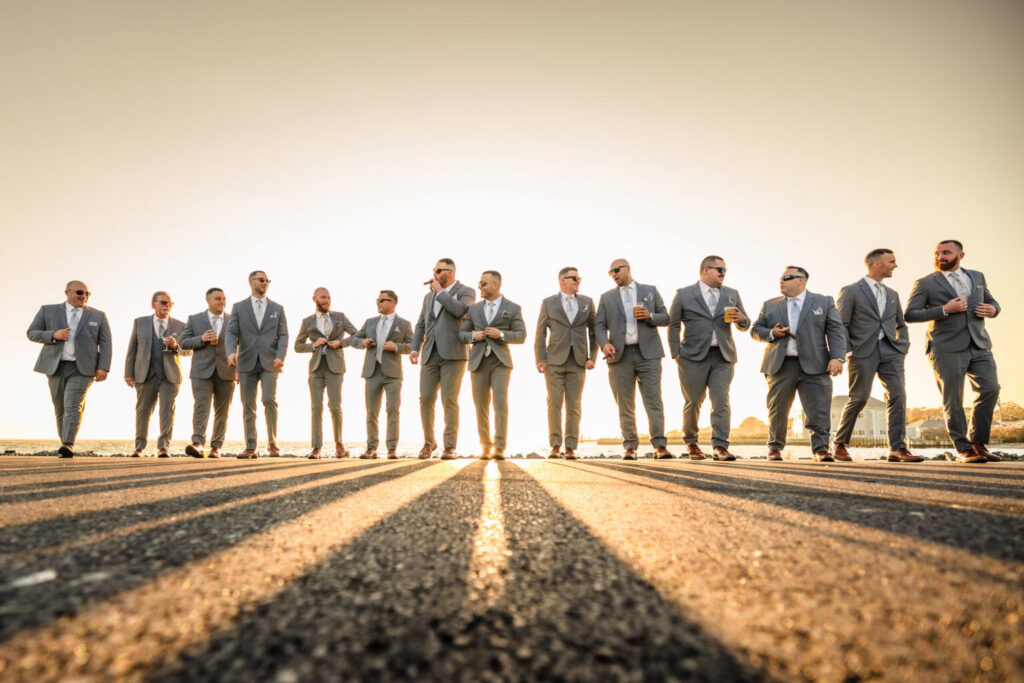
Choosing a venue based on maximum capacity alone is one of the most common mistakes in Long Island wedding planning. A venue that can hold five hundred guests does not necessarily feel right for two hundred and fifty. Similarly, a venue designed for an intimate gathering of one hundred can feel cramped and crowded at that same number.
The right guest count for a venue is the number at which the space feels alive without feeling overwhelming. This is a subjective judgment, and it is worth asking the venue coordinator what guest count they feel produces the best experience in each specific space.
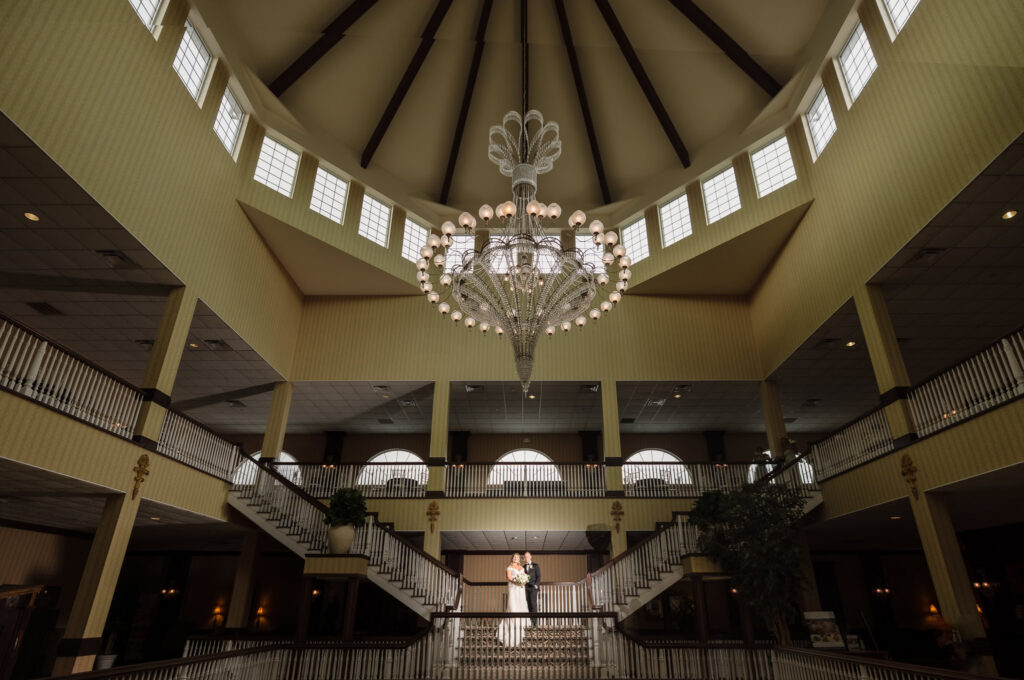
Flow matters just as much as capacity. Consider how guests move from arrival through cocktail hour to the reception and eventually to the farewell. Are there natural gathering points throughout the property where guests can connect organically? Or does the layout funnel everyone into one space in a way that feels managed rather than natural?
Long Island venues vary significantly on this dimension. Some of the most celebrated properties on the island work beautifully at certain guest counts and feel off at others. Taking the time to understand this before booking saves significant regret later.
Vendor Relationships and Preferred Lists
Many Long Island wedding venues maintain preferred vendor lists or exclusive catering arrangements. Understanding what these lists actually represent before you sign a contract is important.
Preferred vendor lists are often a financial arrangement between the venue and the vendors on the list. Photographers, florists, and other vendors may pay a fee or provide referral incentives in exchange for placement. That does not mean the vendors on the list are not talented. Many are excellent. However, it does mean the list reflects a business relationship as much as it reflects an objective quality standard.
Some venues present these lists as strong recommendations and actively encourage couples to choose from them. Regardless of how the list is presented, you always have the freedom to bring in the vendors that work best for you and your wedding.
The quality of communication between your venue coordinator and your vendor team has a measurable impact on how the day runs. The best vendor relationships are built on genuine mutual respect and shared experience at a venue, not on a financial arrangement. When evaluating a venue’s preferred list, look for evidence of real working relationships rather than simply assuming the list represents the best options available to you.
Questions to Ask During a Venue Tour
Most venue tours follow a similar script. The coordinator walks you through the spaces, shows you photos from past events, and answers the questions you think to ask in the moment. The couples who make the most informed decisions are the ones who arrive with specific questions prepared in advance.
Beyond the standard questions about pricing, availability, and capacity, consider asking the following. How many weddings does the venue host on a typical weekend? What is the contingency plan if outdoor ceremony spaces are affected by weather? Is there a dedicated bridal suite and groom suite, and are they available for the full day? What time does the venue open for vendors on the wedding day, and when must the event conclude? How does the venue coordinate with outside vendors on the day itself?
The answers to these questions reveal not just the logistics of the venue but the culture of how it operates. A venue that communicates clearly and thinks proactively about the couple’s experience is a meaningful differentiator.
How Your Venue Choice Affects Your Photography
The best venues are not always the ones that photograph best online. They are the ones that still feel calm and effortless when the timeline inevitably shifts slightly on a real wedding day.
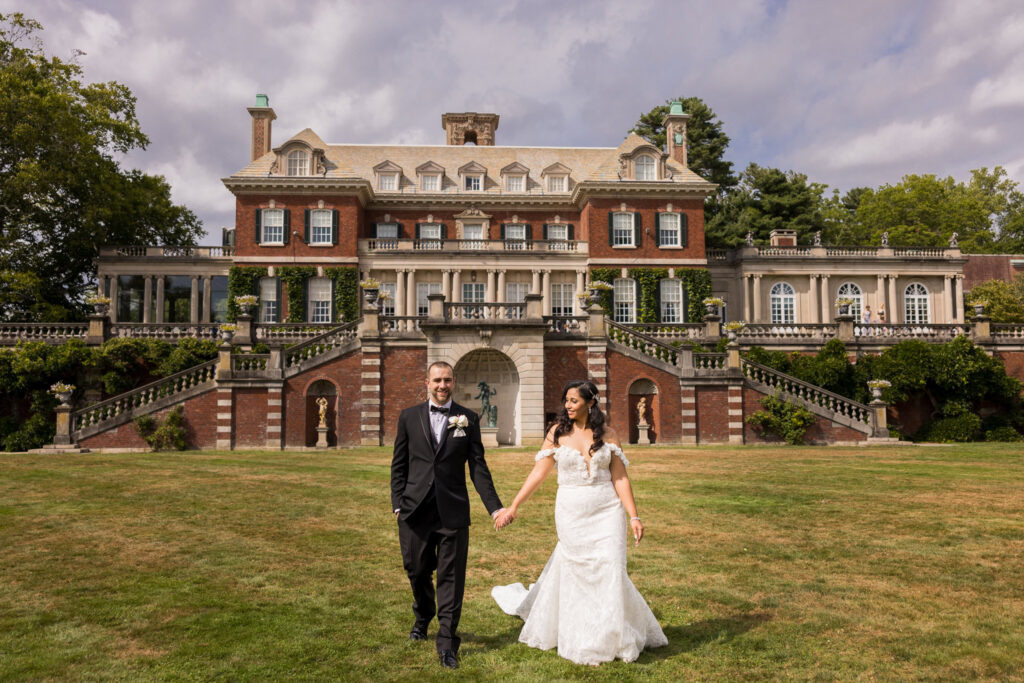
As a Long Island wedding photographer, I have worked in nearly every type of venue the island offers. The venue you choose has a direct effect on the quality and character of your wedding photographs, and it is worth understanding that relationship before you commit.
Venues with strong natural light, varied indoor and outdoor spaces, and thoughtful architectural details tend to produce the most versatile galleries. Venues with limited natural light, uniform decor, or no outdoor portrait options require more creative problem-solving and can constrain the visual storytelling of the day.
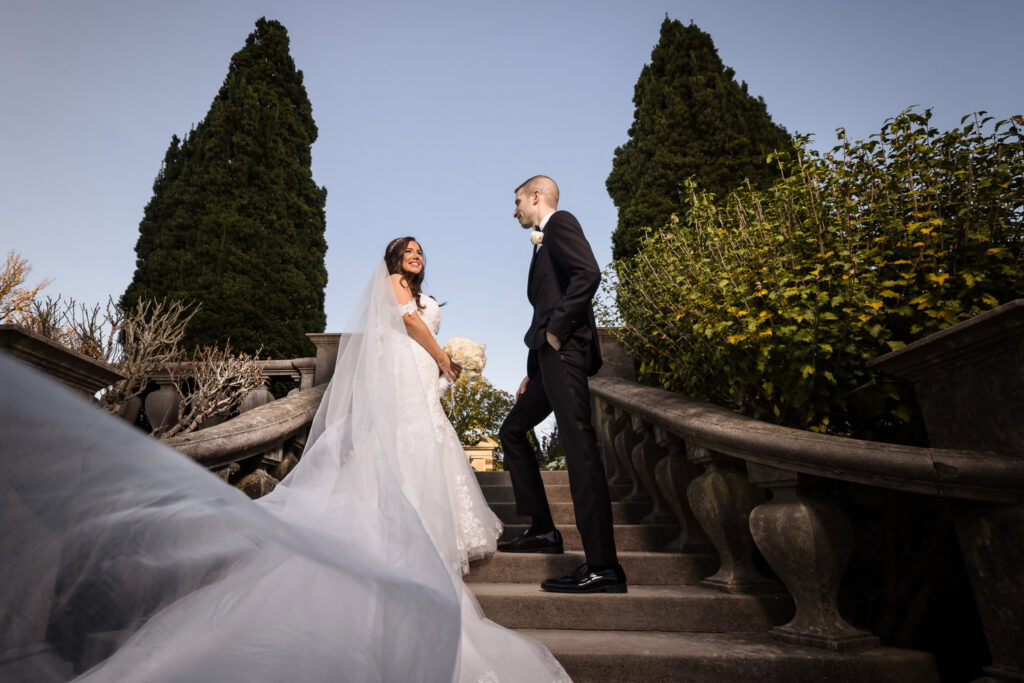
This does not mean that venues with challenging lighting produce poor photography. It means that your photographer needs to know the venue well enough to plan around its specific characteristics. Photographers who have worked at a venue before understand where the light is best at different times of day, where the most compelling portrait locations are on the property, and how the timeline needs to be structured to take advantage of the space.
When you are narrowing your venue shortlist, it is worth having a conversation with your photographer about each option before you make a final decision. That perspective can save you from a choice you might otherwise regret.
Final Thoughts
Choosing a wedding venue on Long Island is about more than finding a beautiful space. It is about finding a space that supports the full experience of your wedding day, from the first moment guests arrive through the final moments of the celebration.
The couples who feel most at ease on their wedding day are almost always the ones who chose a venue that worked for them logistically, aesthetically, and experientially, and who built a vendor team that understood how to make the most of that space.
Take your time with this decision. Tour the venues that speak to you, ask the questions that matter, and trust your instincts about how each space makes you feel. The right venue will not just look right. It will feel right.
Ready to Talk About Your Wedding?
If you are planning a wedding on Long Island and want guidance from someone who understands both the visual and logistical realities of the region’s venues, I would love to connect with you.
Every wedding I photograph begins with a thoughtful conversation about your priorities, your venue, and how you want the day to feel from beginning to end.
Inquire here to begin the conversation.
Frequently Asked Questions
How far in advance should we book a wedding venue on Long Island?
Most couples book their Long Island wedding venue twelve to twenty-four months in advance, particularly for peak season dates between May and October. Popular venues, especially on the East End and North Shore, can book even further out. Securing your venue early gives you the flexibility to build the rest of your vendor team around your date.
What is the best area of Long Island for a wedding venue?
The best area depends on your priorities. The North Shore offers historic estates and country clubs with lush grounds. The South Shore provides waterfront options along the bay and ocean. The East End offers a destination feel with vineyards and boutique properties. Nassau County venues tend to be the most accessible from New York City. Each area has a distinct character worth considering alongside your guest logistics.
How many guests should a Long Island wedding venue comfortably hold?
Rather than choosing a venue based on maximum capacity, choose based on the guest count at which the space feels alive without feeling crowded. Ask the venue coordinator what guest count they consider optimal for each specific space. A venue that holds five hundred guests may feel best at three hundred and fifty.
What questions should I ask during a Long Island wedding venue tour?
Beyond pricing and availability, ask about vendor restrictions, weather contingency plans, getting ready suite availability, vendor access times, and how the venue coordinates with outside vendors on the wedding day. These questions reveal how the venue operates and how seriously it takes the couple’s experience.
How does a venue affect wedding photography on Long Island?
Your venue choice directly affects the character and quality of your wedding photographs. Natural light, outdoor portrait locations, architectural variety, and timeline flexibility all shape what is possible photographically. Choosing a photographer who has worked at your venue before, or who takes the time to understand it thoroughly in advance, makes a significant difference in the final result.
Do Long Island wedding venues have preferred vendor lists?
Many do, and some actively encourage couples to choose from them. However, you always have the freedom to bring in the vendors that work best for you. Understanding what these lists represent, and whether they reflect genuine working relationships or financial arrangements, helps you make a more informed decision.
Explore more of the journal

Inquire
Share a few details to get started
We take on a limited number of weddings each year to provide a refined, high-touch experience for every couple.
After you inquire, we’ll follow up right away with more information and next steps. From there, you can choose a time that works best and we’ll connect to talk through your plans.
Stephen@heritagehousephoto.com

Submit
By submitting this form, you agree to receive SMS messages from Heritage House regarding your inquiry. Message and data rates may apply.
By clicking "submit" you acknowledge you have read and agreed to our terms & conditions & privacy policy


READ AND Leave Us A Comment